History guide
North Carolina State Capitol
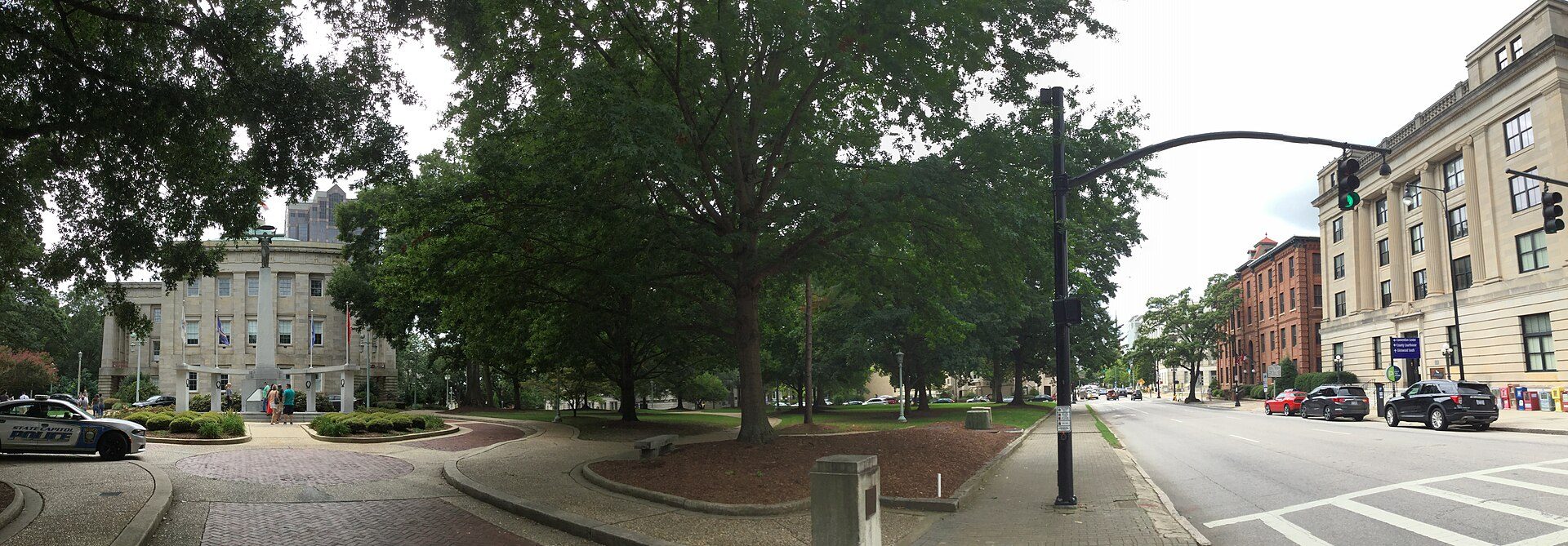
The 1840 Greek Revival Capitol at the center of William Christmas’s 1792 city plan — free tours, monuments and Union Square’s oaks.
01
The heart of the planned capital
Raleigh was laid out in 1792 specifically to be North Carolina’s capital, with Union Square at the center of William Christmas’s grid. The first statehouse burned in 1831, and the present granite Capitol, designed largely by Ithiel Town and Alexander Jackson Davis, was completed in 1840. It is one of the best-preserved examples of a major civic building in the Greek Revival style.
The governor’s office is still in the building, while the General Assembly moved to the Legislative Building in 1963. The restored legislative chambers and rotunda are open to visitors.
02
Make it a downtown history walk
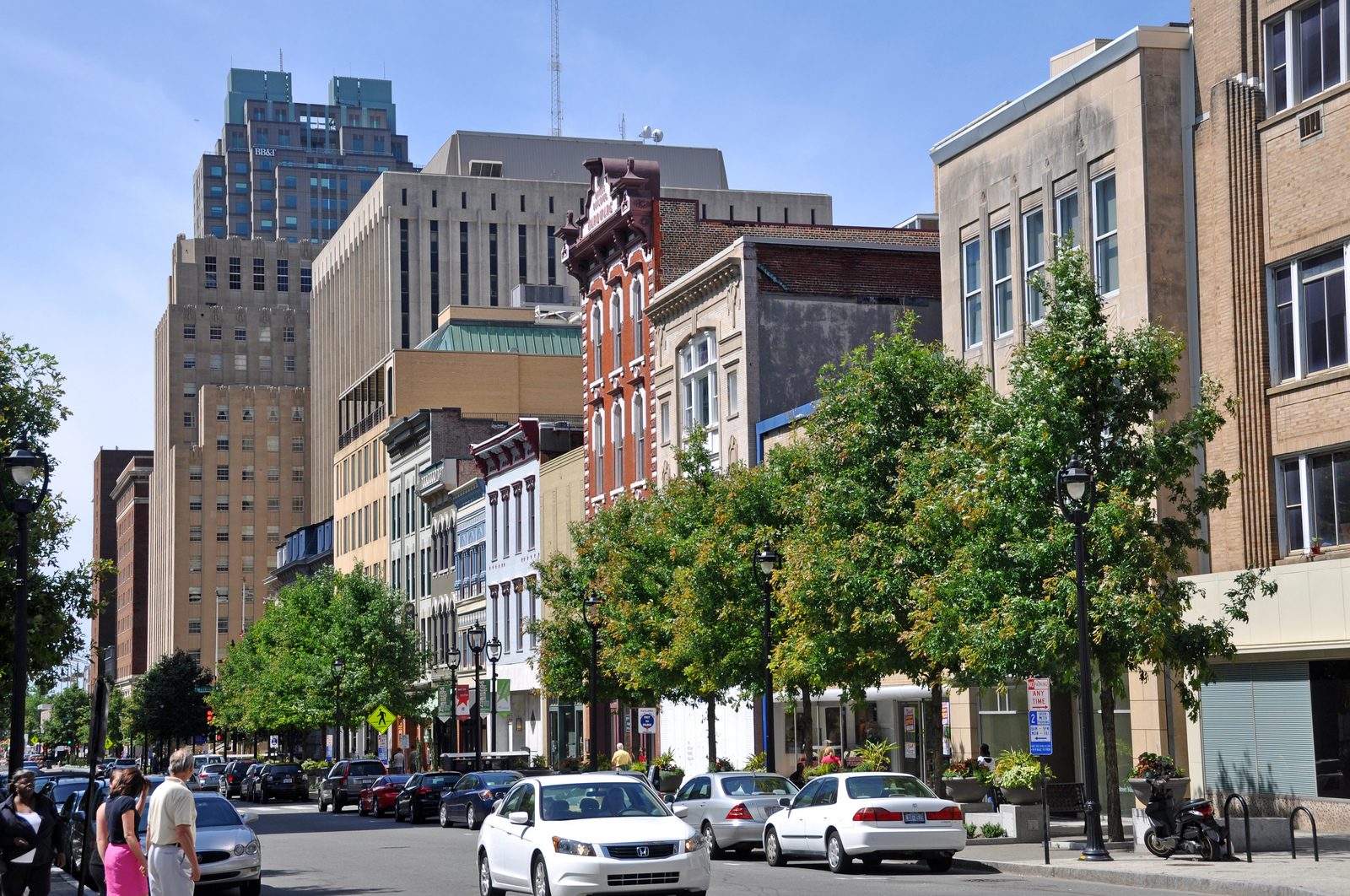
Free admission and guided tours are offered on a set schedule — check the Capitol’s official site. Across Bicentennial Plaza are the free NC Museum of History and NC Museum of Natural Sciences, so you can easily spend a whole day. Walk south down Fayetteville Street toward the Duke Energy Center, or east to Historic Oakwood’s Victorian homes.
For local businesses
Own a business near North Carolina State Capitol?
Claim your business for free. Verify your email and manage your listing in your private owner account.
Claim my business for free